Building a $140 Million Bootstrap Company: Real Lessons
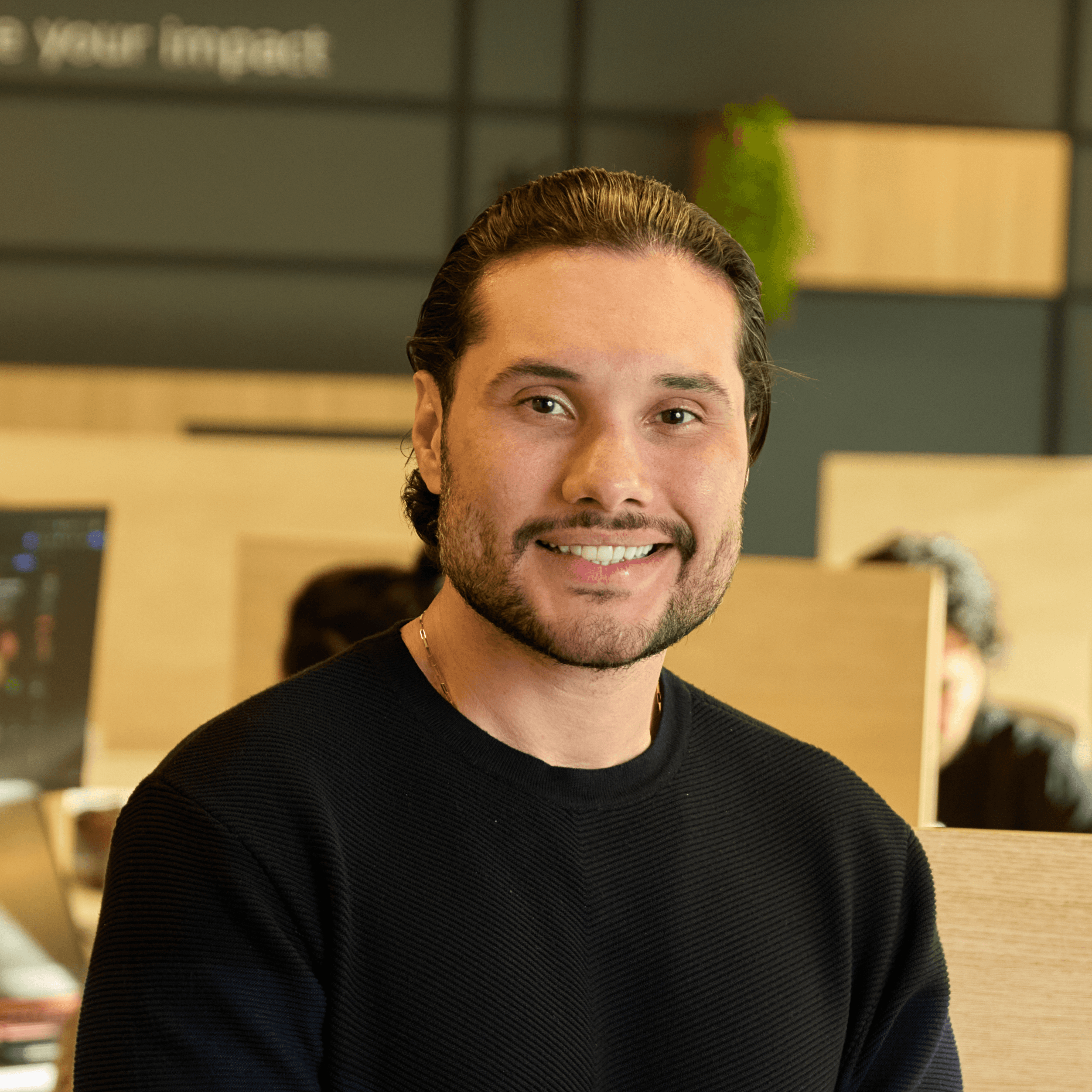
Arthur Frota
There is a strong narrative in the tech market that great companies are built primarily through capital. Fundraising, rounds, valuation, and accelerated growth. For a long time, this logic dominated the ecosystem.
My experience building TALLOS was different. We built a company sold for over R$140 million while raising only a single angel investment. Everything else was bootstrapped. Looking back, I realize the greatest lesson was never financial. It was operational, human, and cultural.
Bootstrap is not just a financial structure
Many people view bootstrapping merely as growing without investment. In practice, bootstrapping completely changes how a company thinks and operates. When resources are limited, efficiency is no longer an option, clarity becomes survival, and execution becomes the priority.
Bootstrapping forces the company to learn fast. We learned early on that healthy growth depends much more on operation, culture, distribution, retention, and disciplined execution than just access to capital.
Money does not fix disorganization
Capital accelerates organized companies. It also accelerates disorganization. Over the years, I saw many companies raise massive rounds, grow rapidly, and expand teams without building a solid operational foundation. The problem is that growth without structure always collects its debt later, and it usually charges a heavy price.
At TALLOS, bootstrapping forced us to develop operational muscle early. We had to constantly learn how to sell better, operate better, hire better, prioritize better, and execute better. There was no room for error.
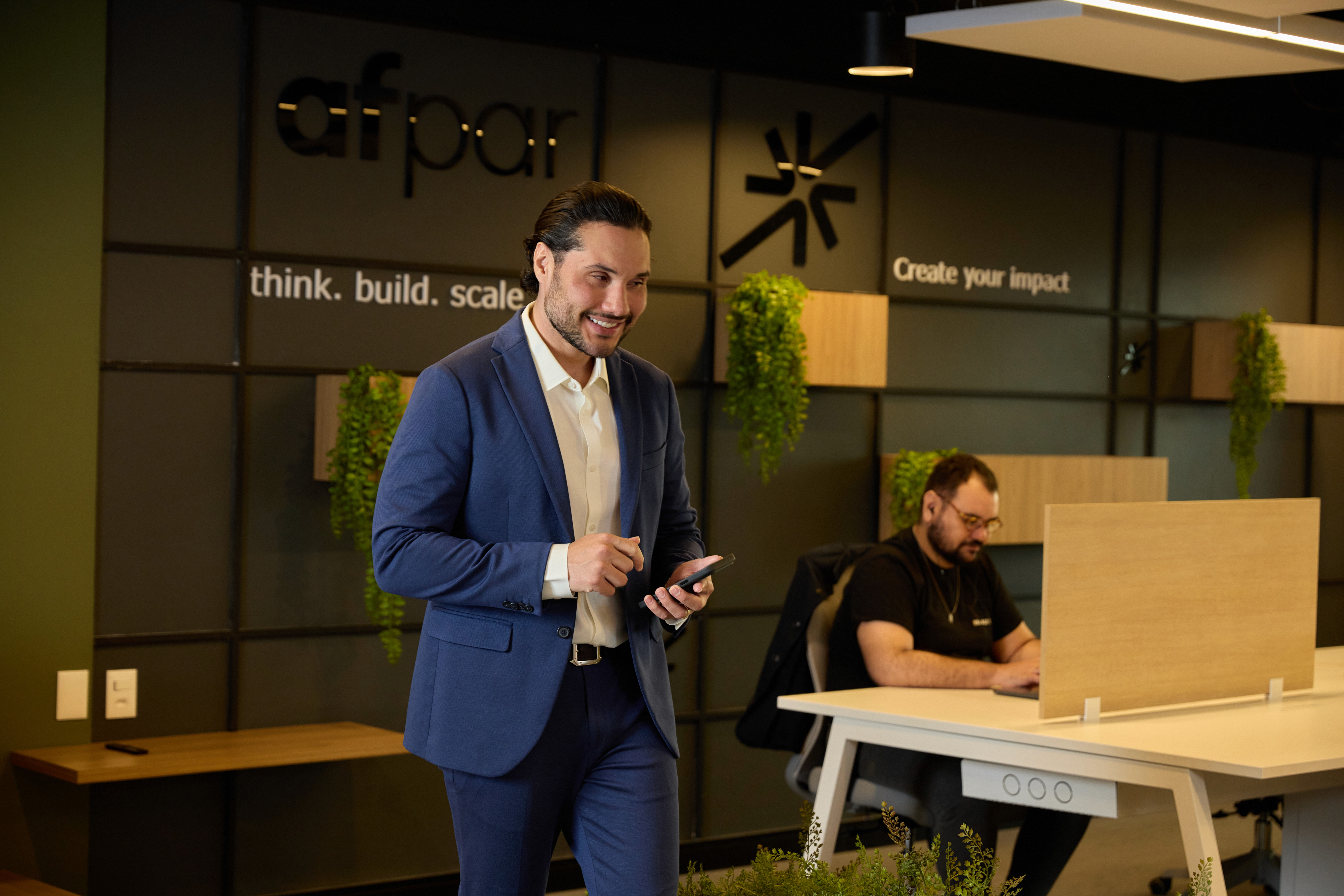
Great companies are not built on technology alone
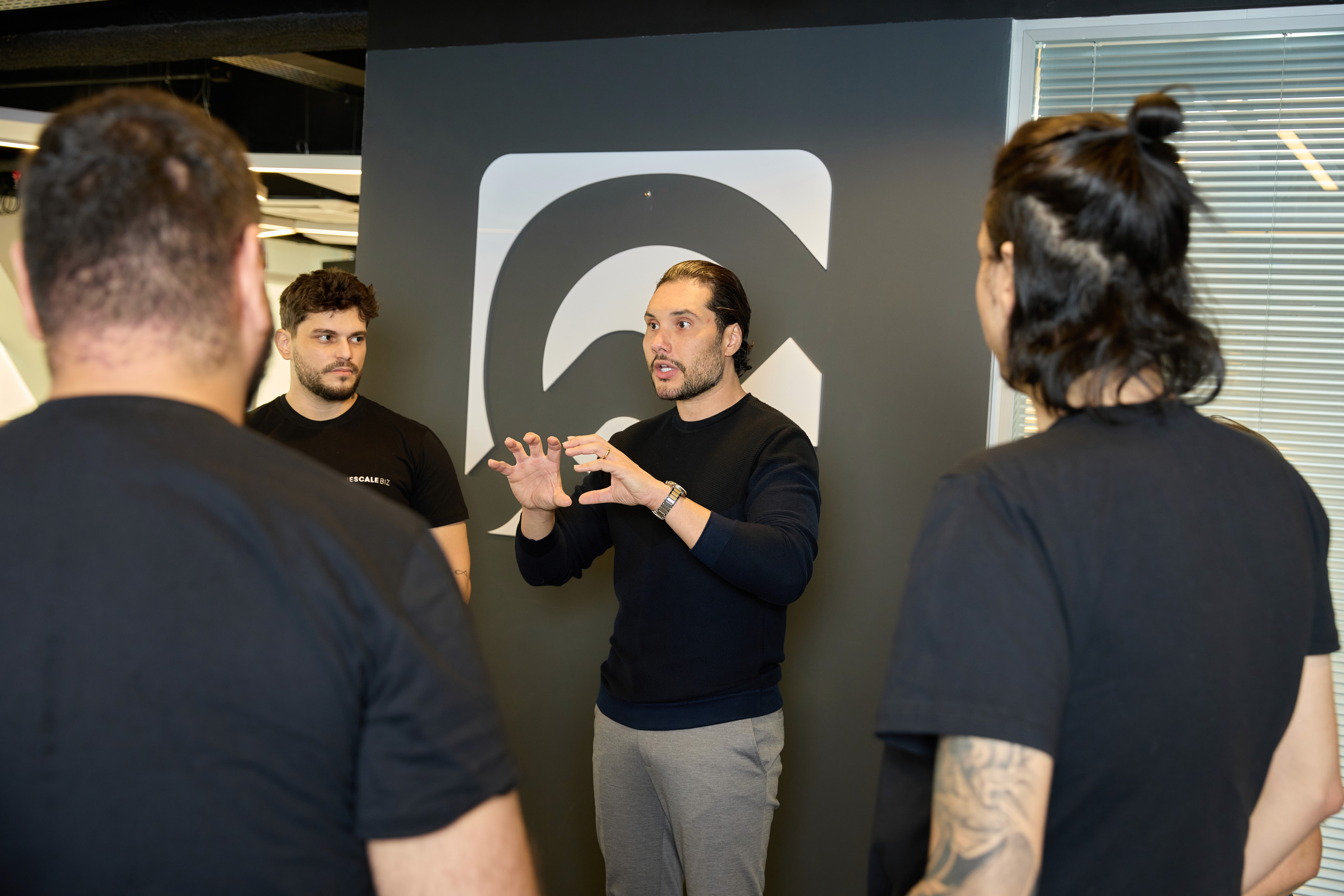
In the beginning, founders often believe technology is the main competitive advantage. Over time you realize that strong companies are built by the combination of vision, culture, people, execution, consistency, and adaptability. Technology matters a lot. But companies do not scale solely because of the product.
Building a company changes you
Few people talk about this. Building a company for many years deeply transforms who you are. You learn about pressure, responsibility, decision making, resilience, leadership, and energy management.
There are moments when almost nobody understands what you are trying to build. And it is in those moments that real construction happens. Not on stage. Not on LinkedIn. Not in the narrative after the result. But in the invisible process of continuing to build every single day.
The biggest lesson was not about the final transaction
Years later, TALLOS was acquired by RD Station/TOTVS in a transaction exceeding R$140 million. Looking back, I realize the greatest value was never just in the transaction. The biggest lesson was understanding that companies can transform people, develop leaders, create opportunities, generate prosperity and change trajectories.
It was understanding that building a company goes far beyond valuation. Companies are human systems. This is perhaps one of the biggest mistakes in today's market: treating business building solely as financial engineering or hyper-growth.
What actually remains
Financial results matter. Growth matters. Technology matters. Over time you realize that what actually remains is the impact generated, the people developed, the culture built, the lessons accumulated and the legacy left behind. Today Arthur Frota continues to build companies, with a much clearer vision of what really matters in the long run: not just growing, but building something that generates real impact and remains relevant over time.
Subscribe to my newsletter
Readings on artificial intelligence, execution and company building.